Thursday, March 28, 2013

Risk


            When I leave the shelter of the small mountain community I call home and spend time with non-mountain sports people I realize that the way I organize my life around mountains is not the way most of the world does it.  I have chosen Jackson as my home base because the seasonal, driven way I live is somewhat normal in a place where so many have moved for the excellent alpine climbing and skiing.  I go about my business unquestioned.  I don’t have to spend energy explaining why I am so driven as a climber and guide and why I do such risky sports or jobs.  This post is my answer to that why.  You’re welcome, Mom and Dad. 


            I have had acquaintances and family ask me over the years why am I driving myself so hard.  Why do I have to climb such hard things, do such rugged jobs, go up such tall mountains?  Why do I have to exhaust myself to pay for trips to Mexico, to South America, to North American crags, to Alaska – since 2007, every year to Alaska! Why?  Why can’t I just take it easy?  Just take a break? 
            The most trite answer I have given is my own play on Sir Edmund Hillary’s famous Everest quote.  Because I can.  This doesn’t approach the truth of it.  There is no simplistic answer.  The ambition that motivates me has its root deep in any driven person.  It is something that transcends merely working towards a goal and edges towards something akin to a calling.  I was working towards a goal when I was finishing college at Evergreen, working and paying and taking courses, designing my curriculum and trying to get my piece of paper.  That was a goal.  I was not driven, not compelled.  I didn’t need to do it in the very fiber of my being like I need to climb mountains.
            Even I don’t fully understand it.  To understand something your rational mind must seize upon the logic of something, and my need to climb mountains is not logical.  I just know in the animal part of myself that I must do this.  I have the memory of the dozens of mountains I’ve climbed and the hundreds of days I have spent in what we humans define as wilderness, surrounded by self-governing systems and not human laws.  Here I have found a place where humans are not fully in control. 

Olympics, where I first found it
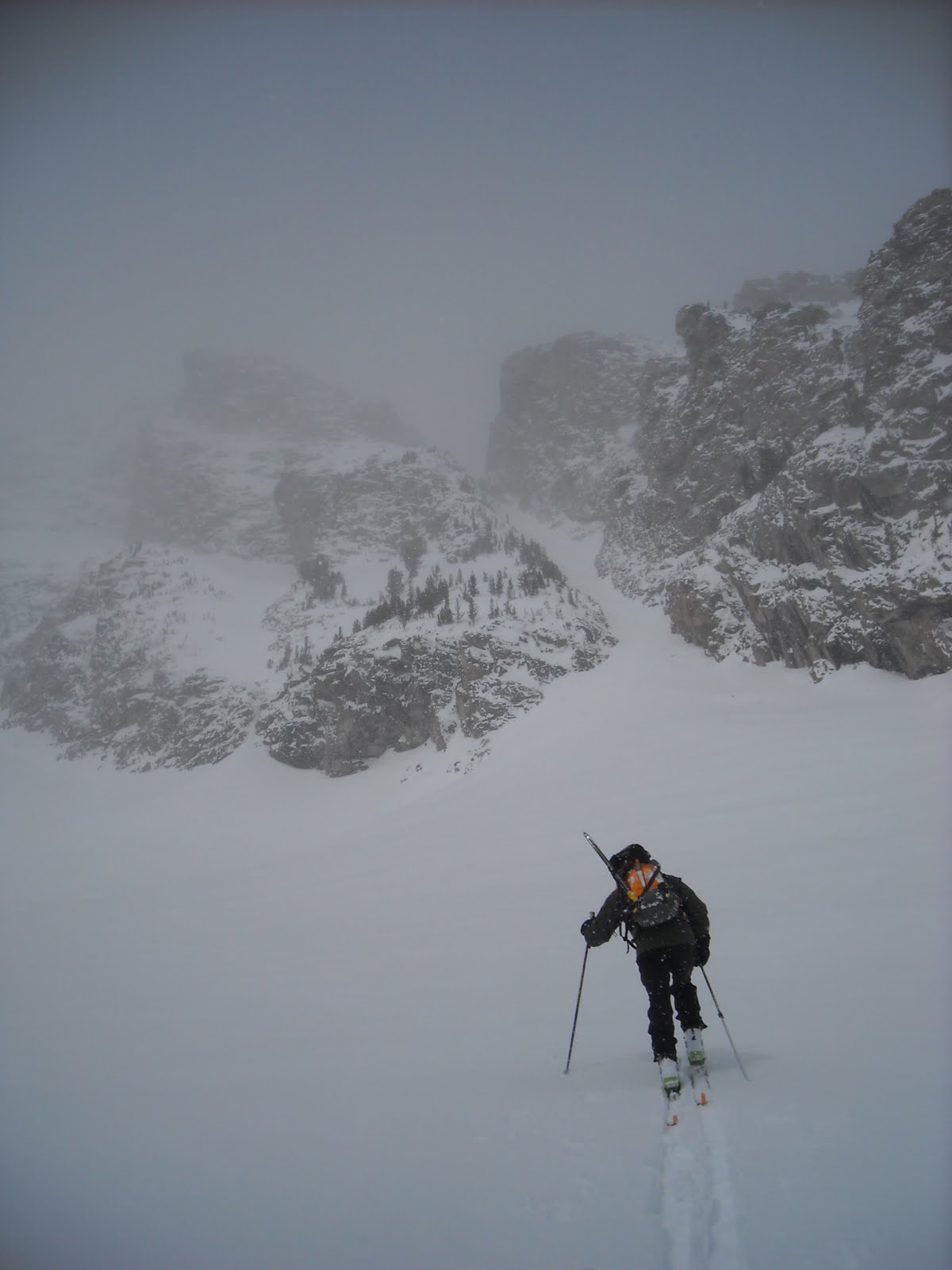
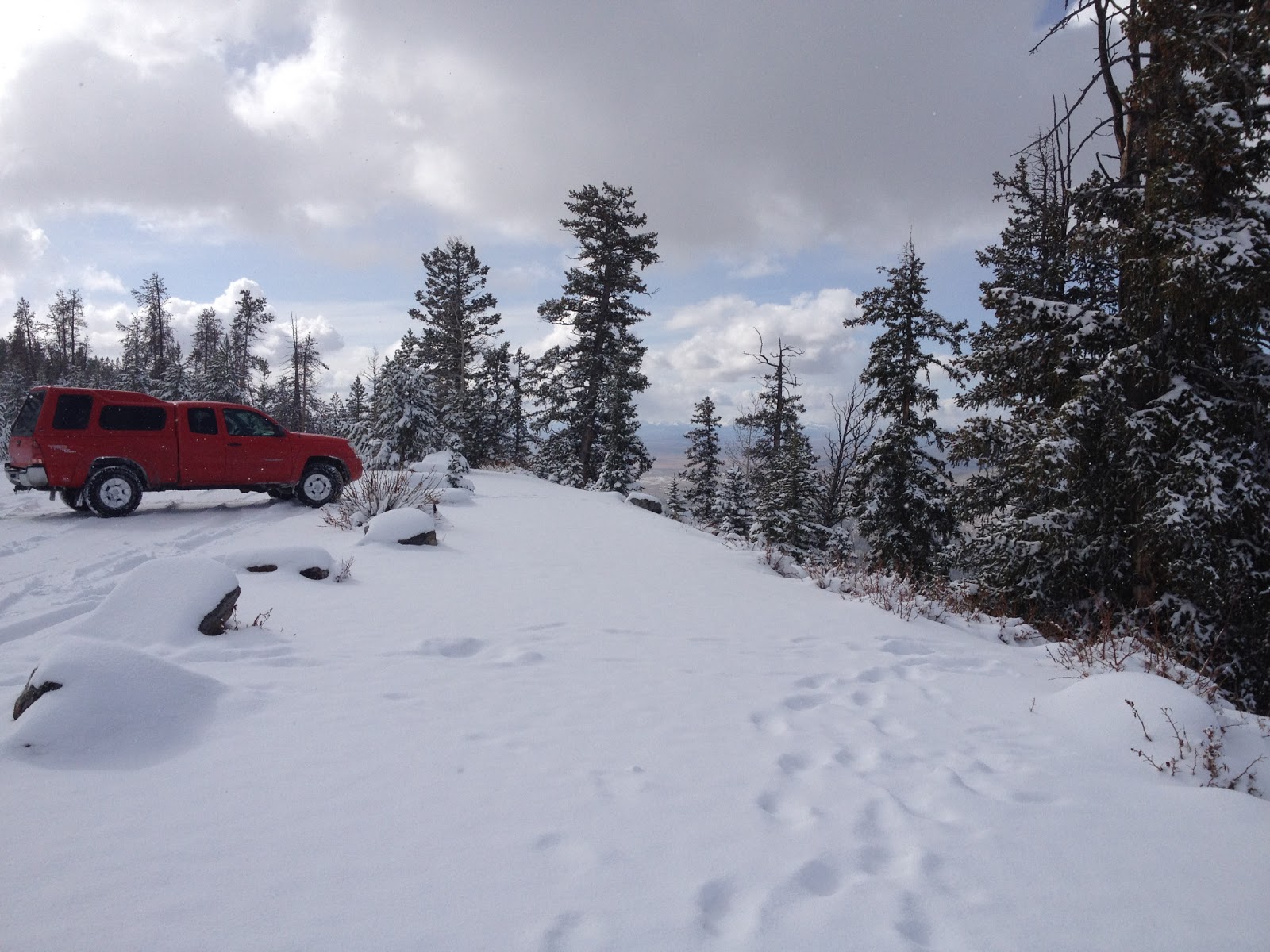
When I venture here it’s more a state of being that I am trying to achieve than a summit or a destination.  These places require the razor sharp Zen focus that occurs when life and death are on the line based on the movement of my body and the decisions made by my mind and by that semi-mystical part of my brain and consciousness that has developed after thousands of climbs.  Some people call this intuition mountain sense.  I go to re-activate and to continue developing that.  It is out of sync with the modern world and totally in line with a world that still exists all around us, the world where blizzards can shut down mountain passes and tornadoes and hurricanes can rouse us all out of our electronic stupor.  I keep going and returning, time and time again.  Whether it’s a day trip to a crag or a long expedition, I go to find that edge, that focus.  I have never known any purer state of presence.  I have never felt more connected and whole.  I find this when I am in the mountains doing something difficult, doing something that is just at my threshold.  Something where I feel like I’m in control, but barely - leading at the top of my grade, pushing my body to my known limits of muscular endurance or hours in motion without sleep.  At the end of these times when I push myself just a little further than the time before, when I am sitting on the ledge belaying my partner up or relaxing on the tailgate of my truck after a long push in the Cascades or Tetons I think This is what I’m for.  This is what the strength of my body and the quickness of my mind is for.  I’ve used everything I am today. 
            Perhaps you are fortunate enough to have a job where you can have that same feeling of using what you’ve got and still earning money.  I’ve worked a lot of different jobs – some physically demanding but intellectually boring, some intellectually interesting but not rigorous – and I have never used it all.  Maybe a few times, but this has only been because of dangerous situations that inherently arise when I was working in certain environments like the mountains or the ocean. 
Friends!
            Maybe I go for the friendships and the bonds beyond friendship that I have formed with the people I climb with.  Read any mountaineering book.  Pen-wielding climbers wax eloquent about that brotherhood of the rope.  Know why?  Because it’s real.  Whatever you get from the mountains – that sense of being present, of flow, of accomplishment, feeling on top of the world (and indeed, you are most often on top of something) – you are sharing it with someone.  You have navigated the dangers and reached the high point with someone you are literally tied to.  You hold someone’s life in your hands and she yours.  Shared risk creates a unique bond.  Powerful friendships form in the mountains.
Your typical douche
            Ego is a factor.  Every climber must find her own balance between having a healthy ego and being a douche.  Any climber who says, ‘Ah, I don’t need any recognition.  I don’t do this for the glory,’ is probably lying, even just a little.  I want to talk about what I have done, to share it, but I don’t want to start a pissing contest and I don’t want to stomp on peoples’ ambition.  As I have done more difficult climbs of late and speak of them it’s almost a little embarrassing.  I don’t want to be like the people who come up to you and immediately start spraying that they’ve sent Mt. Gnar-Gnar via the North Face Couloir Of Doom Route.   With their transceivers still beeping and their jacket open so you know it.  In the bar.  At 8pm.
Mountains have taught me humility.  Mountains have schooled me.  I have seen some terrible things happen up there and feel like I am dishonoring not the mountain but the inherent danger of climbing by boasting.  I know some climbers who develop an almost superstitious air when talking about the things they like to ski and climb.  Maybe I’m a bit the same way.  It’s a bit of a jinx to speak about mountains with arrogance.  Also, as your words go so go your actions.  If you practice humility in town you will practice it when it matters in the hills.  So I try to be humble.  I try to say it like it is.  I say what I’ve climbed.  Conversely, I don’t make my accomplishments vague in order not to make other people uncomfortable.  If they look threatened, I might add that I had to climb many other things before I reached that particular peak.  That’s my approach.  I came to where I am at today, which is by no means a high level of climbing achievement, by a long apprenticeship, a long road of learning, turning around a lot and gradually building my skill level so I can be climbing what I am climbing today.  Other people, I am sure to say, can do that too. 
            I satisfied my ego working on fishing boats and jumping off of little cliffs on telemark skis around Jackson and going to Denali the first few times.  Sometime around age 29 or 30 the need to prove myself kind of went away.  A fishing boat I was working on almost rolled over crossing the Westport bar.  Half our pots were pulled off the back and while one deckhand freaked out the other one and I frantically scrambled around the deck trying to get the balance of the boat right and the pots out of the fish hold.  Half the water was missing out of the fish hold, and we had to get the deck hatch back on so a big wave that might come over the side would not flood it, throw the ballast of the boat off and sink us. After that, I didn’t crab fish much longer.  I saved the risk for mountains.  Expeditions became more a part of my life.  But the ego, the need to satisfy it, went away as I faced real dangers I had only read about before.  I felt good about myself and about my climbing accomplishments.  I was not writing articles for sponsors on new routes I had put up, but these adventures were mine.  I had made it way further than I ever thought I could growing up in the green woods of suburban Connecticut.
Home away
Funny thing is, as the need to prove something and satisfy my ego has waned that drive has not gone away.  It has only become more intense.  That razor-sharp focus has gotten better as my ego has grown less important in the whole climbing equation.  It is like the fog has lifted.  It is me, my friends, and the mountain ecosystem.  I still keep driving thousands of miles to reach the next climbing area, to get one grade higher in my leading abilities.  A climb, just above my grade, catches my eye.  I think about it, study it, prepare for it, get there, and usually send it, even though I think I cannot.  I sandbag myself a lot.  I hate the first lead.  I am learning to master my own fear.  Maintaining a degree of composure when I am leading on the edge of my grade is one of many points of self-mastery I have had to strive towards because of climbing.  So is believing that I am not as bad as I fear.  I am a better person for my involvement in the sport.  In my early twenties I mostly backpacked, or did long solo scrambles.  I remember the day I found myself at the base of the Owen-Spaulding route on the Grand Teton and realized I needed to learn how to climb on ropes or I was going to kill myself.  Alpine climbing, more than anything else, has forced me to learn the ways of other people.  Nothing else that I needed another person for has mattered to me so much that I was willing to change my life for it.   Ten years into it climbing has given me a community where socializing has more to do with going to the gym or taking an early morning ski lap than drinking in a bar.  I’ve become a more focused and direct person.  I communicate what I think.  I have made my body and mind strong enough. 
Perhaps the most important reason I climb is that the danger inherent in the sport has taught me to value what I do have in the world.  If you do climb or ski long enough, you do push the edge.  You’re going to come to that moment where you don’t know if you are going to return safely.  You don’t know if you are going to get out of this one.  You’ve pushed it a little too far.  You’re a little out of control.  That moment, if you are religious and believe in God, perhaps you will pray.  But if you are not religious you will probably reflect on all the people who will miss you.  If you do not believe in a God who you can ask for deliverance, for safety, you might start making promises to yourself.  If I get out of this.  If I get out of this, I’m gonna go back and tell the people I love that I love them.  I’m gonna love the hell out of my family and my friends, and I’m gonna make this time I have here on earth a gift to everybody.  I’m gonna volunteer at the women’s shelter, finally!, and I’m finally gonna try to go to school again or start my profession, I’m gonna finally tell my boyfriend that I love him and that I’m ready to move in, my girlfriend that I want to get married and have some babies.  Whatever.  You start making these bargains with yourself.  Then the danger passes and you’re a little embarrassed.  Did I really think I was gonna die? Did I really think that?  I didn’t have any faith in my partners or in the situation. 
Those promises, though, they remain.  Yes, I have made those promises and yes, I have felt a little foolish afterwards.  But those promises have permeated my consciousness and I have lived my life with more presence and purpose because I have willingly looked at that danger.  I have gone up to it, put my toes at its toes and looked in its face.  And it’s been a choice I have made on mountains, on skis, on boats.  I have taken these risks voluntarily.
Is it fair to ask your family and friends to assume a risk that you find that rewarding?  That old risk versus reward talk is bandied about on ski tours and climbs, drinking whiskey with your friends, sitting in a hot tub or around a woodstove somewhere.  You get the reward.  Your family and friends share the risk.  Is it fair?  It’s not fair.  It’s not fair and you know it.  And I know it.  But this is what we do.  It’s what we do, as climbers and as people. We who would be halved, would be reduced, without these sports and without this physical exertion, without the razor-sharp focus, without the risk.  This is what we do.  Our families love us.  They have created us.  Our friends too.  We are all co-creating each other all the time.  A friend of mine says you are the sum of the five people closest to you.  Take a minute.  Stop.  Think of who those people are.  You are co-creating those people even as they are co-creating you, and they are all assuming the risks that you take.  I’m very aware of that.  Maybe I’m selfish, but it does not make me want to stop going into the mountains.  It does not make me want to reduce myself as a person, because then those people (and me too) only have a partial me. Is it worth it to have no me at all?  I’ve made that choice.  You’ve got to make that choice for yourself.


Wednesday, February 13, 2013

Chasing Delight


This is an entry for a contest asking what ice climbing meant to you that Alpinist held.  It was not chosen, but nicely sums up my relationship with this improbable activity.

           My ice climbing had an ignominious start in the bunk of a crab boat bobbing listlessly on the wine-dark sea.  Words stolen from Kiss or Kill under my diesel-flavored pillow resonated with the intensity of a young deckhand with toughness to prove.  Vox clamantis in deserto originating in her ego, crying for the world to hear:  No, I am more than the Betty you see. No, I will not accept your mediocrity. 
           Last moments of warmth from a pickup that barely made it to Montana from the Westport docks.  Tang of cold air stinging my lungs and the sluggish restart of limbs too long folded into bucket seats and galley benches.  Blood half coffee at least.  Movement in the cold and roiling doubts silenced: Wait and see.
            The further we went into the canyon the further  I went back and back into the part of my past in which delight lived.  Perhaps delight was not just in childhood innocence lost but here in the powdery climbers’ trail winding up creek drainages and around outcroppings, under cliffs and around cobbled corners. The sun had yet to rise, but its glow arced in a diffuse corona over the sheltering walls of Hyalite.  This forest was home to mystery.  Small blue flows peeked through dark timber and promised beautiful challenge luminous from within.  So much light and shadow.  So much sweat and fear, heat and cold, exhausted shaking and delight.  Everything flowed out of me hot and froze hard with the water suspended in cold on the face of the rest of the land.  It was a dance with so many forms of water.  And there we were in the midst of this vast cold.  Little pockets of heat at the top of Mummy 2, watching curtains of snowflakes add depth to the tops of lodgepoles in the approaching storm.  Trailhead bullshitting, door-latch opened beers and a hot, hot shower.  I had found my tribe.
          It began as this.  Sometimes I was climbing to something - a higher grade, the newer and more terrifying mental dance of mixed terrain, Alaskan summits.  Pursuit of intensity is a dark game to play.  The ribbons of ice I rode grew longer, higher, further away and my life off mountains spiraled down.  When climbing, the ice demanded everything of me.  I left the cruel words and broken doorframes of my man at home behind and lived at the end of sharp points.  Attached by a v-thread, a thin cord.  Nothing more.
          It was another climber’s book, All that Glitters, that validated ice climbing as the anchor that held my life from spinning apart in the centrifugal forces of its own constant motion.  I was climbing away, now – away from an abusive relationship and its concomitant self destruction. Back and back beyond pain-fed rage into a sharp cold gray jay morning under dark timber, racking up and swinging onto an ephemeral road to the sky.  Shattering ice under my pick, rhythmic kick.  The sound of my breath.  Chasing delight.

Tuesday, July 31, 2012

Death

The youthful self-congratulations I crowed from the mountaintop (of Nez Perce) have been tempered by sadness and time.  Shortly after I wrote that last post I returned to the state of my childhood, Connecticut, to visit family.   My good friend and climbing partner Bojan called me shortly after I arrived.  "Greg never showed up for beers Sunday night.  Did he call you?"  "No, not yet.  Nobody has heard from him?"

"No."

A normal night visiting: my parents and I, eating some good fresh food at the kitchen island as night fell outside, drinking wine and talking, dogs sprawled out on the floor and the chair.  I told my parents just hours after sharing the amazing ski adventure Greg and I had undertaken with photos and enthusiastic story that he did not show up to meet mutual friends at the appointed time.   Told them some of the very real danger of what I choose to do over and over.  What I measure my days by.  What earns me a living.  I usually shelter them from these dangers somewhat, but this time they were sharing it.  They were waiting too. 

Everyone went to bed.  As Tucker, the German Shepherd-Collie that remembers me from her puppy days and searches for me after I visit my parents, curled up on most of my bed I lay awake looking out my childhood window towards the west.  I used to look at the opposite valley feeling trapped by all that continent and unknown life between Marlborough and the mythic West.  I never thought I would get to live the life I am living.  Now, thousands of miles separated me from the people I loved and cared for, the people who I was living these dreams with.  I wanted to be there, but what could any of us do?  Search and rescue was doing its job.  I finally slept with a pit in my stomach.

The next morning my mom, who keeps up with the mountain news that reaches the national media (and whose awareness is particularly tuned to disaster) told me there was a search going on for two missing skiers in the Tetons.  These were my friends, weren't they?  Oh no.  The feeling crept up the back of my neck.  Over those same beers in the Brew Pub Greg had spoken with great excitement of his upcoming attempt to ski the Grand.  Warming had turned snow conditions from marginal to worse in the days I had been gone from Jackson.  I talked on the phone with Bojan.  We waited.

I went to New Hampshire.  My grandfather, who had just moved to assisted living, was as thin as I had ever seen him but still clear-headed.  He had fought a 20 plus year battle with cancer and had so far won, as he was still living.  He had become a celebrity in the assisted living facility for his performances on his keyboard of big-band hits that all the old folks knew and that quite a few could sing along to. Yet he was declining.  My grandmother, as sharp as ever but a bit more frail, knew it.  It broke my heart the way these two people who had spent a happy lifetime together knew it.  I had come to say goodbye, and they knew that too.  He told all the folks from the town where they had spent their retirement about his granddaughter the mountain climber at the formal cocktail hour.  I was heading to Denali to work for the American Alpine Institute.  He was proud of me.  How could I say goodbye?  I had said goodbye to my Gram, my mom's mom, before, and as she had Alzheimer's I think she knew what I was saying.  But this was different.  His health had declined but he knew what was going on.  I felt like the Grim Reaper.  When she visits from the West, it's bad.  There is love there, but things are not going well.

As I drove to my parents' I got the official news about Greg.  As a climber who knew the Tetons and had seen his motivation and acceptance of risk somehow, in some place, I already knew.  Buried in an avalanche while he and his friend slept in their tent in Garnet Canyon.  In their sleep.  He had just finished med school and was charging around doing big ski objectives before accepting a job.  He was strong and motivated, and headed for a life that balanced work and mountains with grace. 

I finished the Connecticut visit and flew to Jackson.  Said goodbye and drove for Seattle and my upcoming job in Alaska.  No time.  Just a week later I got the news that my grandfather had died.   We had known Burkett's time was short, but nobody expected it would be this short. There was no time to fly back for the funeral. Instead, I got on a plane and flew with two clients into the Alaska Range to meet the other 6 clients and 2 guides on the pristine snow of the East Fork of the Kahiltna for our Denali expedition.  We were the first trip of the year, earlier even than the Parks Service.  We battled guide health issues and bitter cold to get six clients and two guides to the summit.  I flew back to Washington and continued guiding for Mountain Madness on Baker and Shuksan, Olympus and Christie, Washington Pass and Leavenworth.  I groveled up the unrelenting Index cliffs on my off time, fought Seattle traffic, fixed Rosie Car, walked to pho and watched funny shows with Michael, and tried to rest from the whirlwind with June in my little Index apartment.   There was no time to think.  There was no time to process.  The deaths of Greg and Burkett flowed behind me into the river of my past, marking time, leaving sadness.  I won't pretend to wrap last spring up into trite conclusions about death and risk and life well lived.  The best way to honor this time and the loss of these two fine men is just to tell this story, and say that I cared about Greg.  I loved my grandfather.  I still do.

And I miss you both.

Tuesday, April 5, 2011

I Have Seen The Gnar, And It Is Good


When I lived in Jackson in my early 20's I didn't know squat about ski mountaineering. The stinky, fit gods and the rare goddess in polypro wore their transceivers to the bar and huddled in a tight knot around pitchers of local brew talking about 'The Gnar'. The Gnar, as well as I could figure it, existed in a changeable location somewhere above 10,000 feet and was an alchemist's brew of steepness, inaccessibility, and length of vertical drop guaranteed to create social-status gold among the local hardcores. These backcountry bro-bras held the allure that the drenched hikers with huge packs coming out of the White Mountain trailheads once did to the 8 year old version of me. They had been out there, and were back. Like a plume of cold air that follows you inside on a subzero day, the wildness of the terrain they had travelled over clung to them, followed them into the heated haunts of civilization where lesser mortals chugged beers and talked about how sick they had been in-bounds at the resort.

I was a college dropout with hundred-dollar, 185 GS skis with ancient tele bindings and a crappy job serving soup to keep my Teton Village pass. When I thought of backcountry skiing I thought of avalanches waiting spring-loaded under my boot-packing feet, ready to release at random for reasons still unknown. The upper reaches of the Tetons, the couloirs, the faces, were the realm of mountaineers (*ahem* alpinists), of TGR guys filming and of climbers and guides. The mystery and challenge had me hooked. My second week in the Tetons, knocked down by dry air and a bad chest cold, I hitched to the park and hiked my New Balance sneakers up to the campground in Garnet Canyon. "Hey," I asked someone who looked climber-ish. "How far can I go without ropes?" He smiled and pointed up towards the Grand. "Lower Saddle. That way." I scrambled on into the late morning, crossing patches of snow and using a hand line to ascend to the saddle. Guide huts and the Parks Service structure huddled against the wind. I saw someone in an official-looking puffy with Exum embroidered on the side. "Hey, how far up the Grand can I go without ropes?" "I'd say the Enclosure. It's fourth-class scrambling up until there, and the descent isn't that bad." I thanked him, knowing that I was simply radiating Noob vibes but too excited to care. That, perhaps, is why I have ended up so in love with climbing and being in the mountains: false pride, pretense, whinyness: these all fall away as I look up and ponder how to get there. As I am climbing. As I figure out how to get down. Whatever I must do to spend my time among those peaks, I will do it, and worry about looking good later.

I ended up at the base of the Owen-Spaulding route, contemplating the face. This is where I stop. Kicking around on the summit I found a circle of rocks. Perhaps this was the enclosure he was talking about? I stepped into the middle, wondering if climbers had made the circle. It lacked the practicality of the little windblocks I had seen among the boulders on other mountains. It was old, sort of ceremonial. I sat there watching the sun sparkle off the Snake River threading its way through the flatness of sage and cottonwood below. The wind played its high and lonesome music around the tops of the peaks. All around me, mountains. It was the same feeling that the spring ascent of Mt. Washington long ago had stirred within me. Up here was the right place to be. Later I learned that the Enclosure predated the climbing history of the Tetons. People speculated one of the nomadic Indians that passed through the valley had built it on a vision quest. There was nobody around to tell the straight story to the settlers, though, so it remains unknown.


I told this story to my climbing partner yesterday as we skinned up the ridge between Bradley and Taggart Lakes towards Nez Perce. As we ascended we shared the kind of stories of climbs, skis, ranges, and mishaps with sketchy climbing partners that made me feel safe at my choice to undertake such a trip with a heretofore unknown ski partner. Bojan and I had met Greg in the parking lot after skiing a safe line on Albright Peak. The conditions in the Tetons had changed with a recent warming spell into a spring transitional snowpack, releasing big slides on south and east aspects and carrying world-class athlete Jimmy Chin in a 1200 foot slide down Shadow Peak. Bojan and I had found a bulletproof top section and a challenging, mushy bottom section on Albright, and were dubious about there being any good snow in the Tetons. Greg had just finished the Apocalypse Couloir and was grilling at the trailhead on a mini propane grill and offered us beers. We went to the store in Moose, got some more brats, and rejoined him for an afternoon of huddling against the light spring rain and recounting stories at the tailgates of our cars. What we all did for work didn't even come up until the next ski trip: we were climbers. Such is the beauty of the Tetons. These mountains and what you have done in them will say who you are among women and men, not how you earn your living or what material trappings you have accumulated. We all knew and spoke of with bemused wonderment the climbers who had made the speed traverses and ascents of the range and the times of said ascents. It was a common language. As I skinned with Greg up towards the high couloir I saw that I had finally learned the language of those skiiers in the Brew Pub. But was I worth my mettle? How would I actually do once in the business of The Sliver?

As we skinned up onto the treed ridge that leads to the false summit of Nez Perce we could not help but notice that the light dust on crust powder had deepened to a respectable 4 inches. Huh. Powder. "See that, Greg? Face shots all day." He laughed, poking the snow with his pole. We hadn't expected fresh snow! Our mood grew happier the higher we went and the more powder we found. By the time we stood at the top of the false summit looking down into the bowl below the Sliver we were breaking a skin track through a foot of powder. A strong, gusty wind and light snow shrouded Nez Perce's rocky upper reaches as we de-skinned and picked our way down to the little couloir that led to the basin below the big one. The snow was still dust on crust.
This soon changed as we skinned up to the mouth of the big chute and began our bootpack. Kicked steps turned to a vertical wallow. Ten thousand feet, ten five. Between the breathless business of breaking trail we hid our grins from the tooth-freezing wind: there was so much snow. The couloir was 1500 feet long and never got steeper than 40 degrees. There was a good 18 inches of fresh powder wind-loaded from the west. We took turns plowing upward, finishing our effort with a terse "Spell me," a term Greg had learned for switching leaders when breaking trail from an old-timer in Montana who had climbed ice since the seventies.


When you see the top you think it's close. But it isn't. The couloir doglegged as we struggled on up to the slot between two huge rock walls that disappeared up into the snowy sky. The snow in front of my face was sparkling with the diamonds of weak sunlight. I focused on the unbroken white and my breath as I found firm snow beneath the powder. The altitude was making itself known and breathing just wasn't doing what it usually does for me. In this mindless rhythm I flopped through the last of the drifts and reached a small, sheltered spot at the 20 foot gap between cliffs. A natural wall blocked the wind that howled up out of Garnet Canyon and created a hulking cornice with a delicate curve sculpted by moving air. We ate and clicked in. The moment of truth.


The truth is this: powder skiing is amazing. Thirty feet at its narrowest point and full of untracked fluff. This is a recipe for turns the like of which neither of us had ever experienced. Hours from town and alone in a cradle of stone and wind we entered a soft dance with gravity. In the midst of a strange snowpack we had read the signs right: the warm spell of a few days earlier shedding the aspects prone to sliding. Wind from the west loading the east-facing couloirs with what powder there was in the Tetons. And this is what we found. We reached the bottom of the bowl, faces red, whooping and grinning. We did it right.

Later we ate well at the Brew Pub, sharing the story with Bojan, him and I sharing stories with Greg about our trip last spring in Alaska. All of us cracking each other up. Powder, friendship, leftover adrenaline - what was it? All of it. Too much to say. Between us, hundreds of climbs, of runs, of ski lines in the mountains. We bore signs of our passage out and back in our windburned faces and ratty functional jackets and we told our stories to these two others who understood more deeply than those who have not been. Walking back to the table after the restroom I looked at these climbing partners of mine. We were not different from those gathered at the other tables. In the company of both I had broken down what I once considered impossible into the small steps that shift such undertakings into the realm of the possible.

What we had done on skis that day was not that difficult for either of us. Nor were we setting speed records or creating legends among Teton climbers. We were just getting after it. The Gnar was not so intimidating or mysterious: it was one more puzzle to solve. It is then I realized the beauty of Jackson and the Tetons: wherever you are in your progression, there is someone there just as eager to get up there with you and try something harder. I had never been any different than those bro-bras with their transcievers prominently displayed at the bar, just a few years behind. Now I am not. Except that I prefer to take a shower and change into cotton before I go out to eat: all-day polypro stinks, and cotton is way more comfortable.


Sunday, January 16, 2011

In It For the Long Haul

There is a delicate, invisible line that has been forming ever since I started working in the mountains. My life is more public now. The things I say and post carry more meaning. So I write the following with restraint based on this knowledge. I think it is important to say - this is part of my story, as much as fishing or Denali or relationships. However many decades or generations after the feminist movement began (or has it always been going on?) there are still many professions that are male-dominated. Being who I am, I seem to have gravitated towards them: fishing is FAST AND FUN! Climbing is TOTALLY SWEET! Now give me a job, suckas, just like that guy you gave a job to over there!

Ah, it's not as easy as that. I have found that oftentimes I have to prove myself more than my male counterparts when seeking employment in these arenas. There is great reward in it later - I remember walking back into the bar in Westport a year after I worked on the Betty Lee and having the bartender and some other fishermen tell the others in the bar how I could lift and stack crab pots. They claimed me, in a way - I know this chick! She can do the job! It was a great feeling to have proven I was up to the task. I had exceeded the expectations of what a female could do. In the end, though, my friend Ginny in Seattle was right. She once told a younger me fully entrenched in butting my stubborn aggro short-cropped tele-skiier head against sexism in another mountain job that I could perhaps gain a special place within the group for being a woman and undertaking difficult tasks, but I would always remain different from the guys in the group by virtue of my femaleness. She works in the computer gaming industry - a similar world - and I listened to what she had to say. I have found since then that I will not ever be one of the guys - but by focusing on excellence and just being my strange funny self I will invariably become part of the group. If I was a guy I also don't think I would ever fit in any conformist sense. My place is there, I just have to create it. People are wary of something they have not seen before, but after a time come to appreciate that which is new and different. I'm not what people expect. Only part of that is due to my gender.

In fishing, I never quite found my place, though I did get that glow of validation from co-workers. I had some great times with the guys I worked with and the people I met and saw some strange and amazing sights that I doubt I will ever see again (if only by virtue of the fact that they were made so amazing by my degree of exhaustion and sleep deprivation and this is not a state I seek to duplicate outside of single-push alpine climbing). But in the end, I would always wait for the clouds to clear so I could see whatever mountain range lay across that expanse of gray moving water: the Chugach, the Olympics, the peaks of the snowy Katmai peninsula, hell, even the Willapa hills. A wise friend in Westport told me that successful fishermen are in it for the love of fishing. Bad year, good year - they love the ocean and love catching. If I loved the mountains, he said, go back to the mountains. Ride out the bad and see the good doing the thing you love in the place you want to be anyway. He had musical ambitions he put aside to go fishing, and I felt his sense of loss in not pursuing this goal when I spoke to him about important things. I am pretty sure he was telling me to get out of fishing before I felt that sense of loss. I am honored to have received this advice, because it is among the best I have gotten in this lifetime.

This brings us back to here. I am pissed as hell at some of the attitudes I am now butting heads with in the world of earning a living in the mountains, but I'm in it for the long haul. In the end my personal climbing comes back to the upward motion, the slice of a well-sharpened pick into solid ice, the placing of a piece, the puzzle-completing joy of navigating a tricky route in the mountains. Guiding comes back to a group of clients laughing, enjoying the trip and focusing on their own goals and expectations without realizing the planning and constant vigilance occurring in the mind of the guide. I want to continue my growth as a climber and as a guide, constantly seeking new challenges and opportunities. The fact that I am a woman and want to make a good living from this while others have different ideas is, to me, just one more annoying detail to be attended to. Experiencing discrimination only makes me more determined to succeed, both to prove those fuckers wrong and to pave the way for other women, who, like me, want to make a life in the mountains. I am learning to navigate the politics of gender and not become bitter or closed off to my ability to be friendly and form emotional bonds with people. The mountains are just too full of joy for that.

Wednesday, September 15, 2010

What Next?

Sounds of a fine warm autumn coffee shop in Seattle. Whirr of espresso machines, slam of the register, hip people using their inside voices, the click of ubiquitous Mac keys. I have just returned from Colorado with Michael, have just finished my first season of full-time guiding. The leaves are turning out here, the blackberry vines still lush and dripping with late berries. Weather in the alpine won't cooperate with local ambitions, so my fingers ache from Index and Leavenworth instead of Washington Pass granite. A day ago, basking in the cool of the shadowed face of a Colorado canyon, I re-introduced Michael's stepdad to climbing and continued the mellow instructions I have been giving to the man who has become my partner.

What to do. September without a plan has always sent me into bouts of melancholy, closely followed by roadtrips to fine granite punctuated by worried online checks of my dwindling bank balance. A semi-panicked lurch back to the fishery that has never rewarded my efforts has soon followed.

Not this year. Still waiting to hear an actual offer of a promising job from an employer who seems more unreliable by the day, I am caught in the limbo and throat-tightening speculation of what to do next. Mountain Madness has been very good to me, and me to it. In finally doing the job I have been wanting to for so many years I realized guiding has little to do with climbing as I have known it. Instead, I have discovered that empowering people with information that allows them to access glaciated mountains that were out of reach before is a rewarding end in itself. I like teaching when the subject is one that I have passionately pursued as a student. One week after a one-day crevasse rescue class I saw a very keen client of mine leading his own group up Baker. He chatted and waved with great enthusiasm, happy that I had demystified the rescue systems he needed to go for it.

Indeed, it would be wonderful to do this all year. Summer work - the bountiful time, the time when the great alpine is friendly and accessible - is hard enough to come by in this highly specialized career field. For winter work you have to be good, lucky, persistent, and willing to work for not much at first. The appeal of an indoor job where I come home at night grows as the weather turns and as my love for Michael proceeds with more richness and depth. Training is so much easier when I can know my schedule in advance. Planning becomes possible. I love adventure and uncertainty, the thrill of reacting to situations as they arise, but this is not the best way to prepare for the expeditions that are, with the small taste I have gotten of them, just about the most awesome way I can think of to spend a few months of my life and effort.

Balance. Drive. Love. Physical focus and effort. I want to honor all of these. To become a better climber one must climb more. To climb more one must have time. This usually means one must either live with less and climb a lot - i.e. the dirtbag lifestyle - have a high-paying job that has lots of time off, or have a more 9 to 5 style job and maximize climbing time by being highly organized. I went for the high-paying job idea with crabbing and salmon fishing, but the toll on my body was too high. The 9 to 5 jobs I qualify for are for the most part soul-deadening, while the seasonal jobs available are rewarding but have wonky schedules and no security once the season is over. School is a possibility, and I have thought of taking my interest in geology and returning to study something in the water rights field, thus guaranteeing employment in the Rockies that won't exacerbate the already enormous environmental impact of oil and gas drilling. I am not a scientist by temperament, nor do I really want to have a career in science. My other option for schooling, an MFA in creative writing, seems like 2 years of scraping by on student teacher wages to have a piece of paper that will allow me to compete with a bunch of other MFAs for a very few assistant faculty positions in a university town I don't really want to live in. I am very place-based, which perhaps means I should chase jobs that will allow me to live in a small mountain town where the ice flows from numerous 1000 foot waterfalls all the way to my back steps, the 4WD roads and cool summer canyons are not yet shut down by private property owners and restrictive National Park fees, a master brewer who has tired of the city has set up shop, the oil and gas rigs have been kept away, the hot springs flow in abundance, the granite is solid and a snowmobile is seen as a tool instead of a piece of sports equipment. I think I just described Ouray if it was in the Canadian Rockies. Except for the good granite part.

I don't want to give up yet. I do think I can make this work. The last few years have kicked a lot out of me, but even in this money grubbing image-conscious hell of gentrification and hip conformity I have found the way - with the help of Michael and the few close friends I have here - back to listening to my heart. And it's telling me to get the hell out of Seattle as soon as possible, and only come back next summer to teach a new crop of clients just how great the Cascades are.